Buying From the Yiwu Market Online: A Practical Guide for Overseas Wholesale Buyers
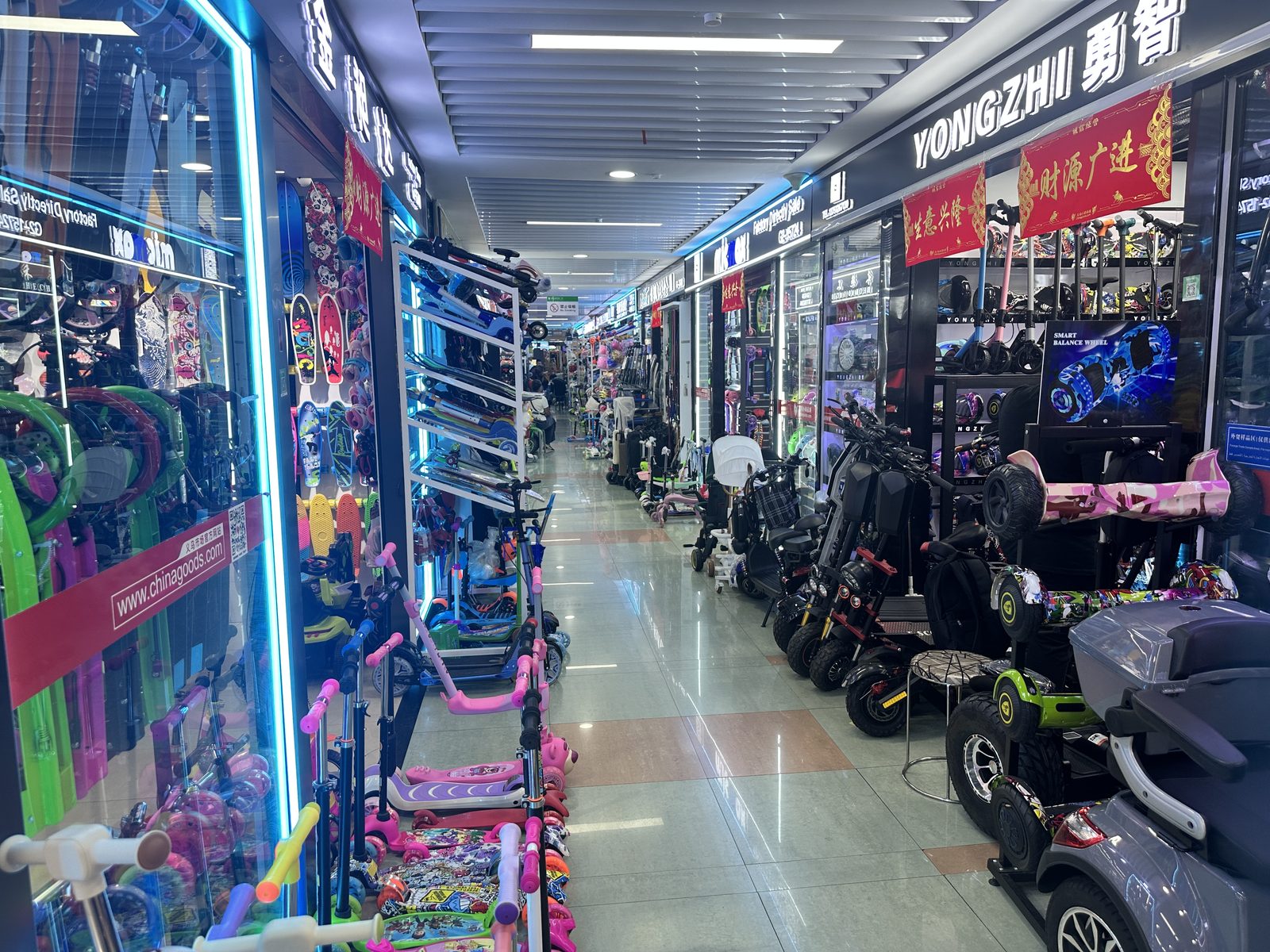
Searching for the Yiwu market online usually leads to a confusing mix of listings, agent pages and second-hand photos. The reality is simpler: Yiwu International Trade City, also called Futian Market, is a physical wholesale city of connected district buildings and category zones. It does not operate one official online shop, and no third-party platform speaks for it. What "online" genuinely means here is remote buying — you work from your own country while an agent on the ground does the walking, photographing, sampling and checking. This guide explains how that works in practice for importers, wholesalers, chain stores and distributors buying in bulk.
What Remote Buying From the Yiwu Wholesale Market Online Actually Involves
A remote order is built from four digital inputs, not from a single website:
- Product references you send us — category descriptions, links, screenshots, photos of a sample you already own. You do not need booth numbers or Chinese supplier contacts.
- Digital product lists and quotation sheets compiled after we walk the relevant districts on your behalf.
- Live video calls from booths, so you can see the actual stall, the stock on the shelf and the supplier's answers in real time.
- Photo and video confirmation at sampling, purchasing and packing stages, so each step is documented before money moves.
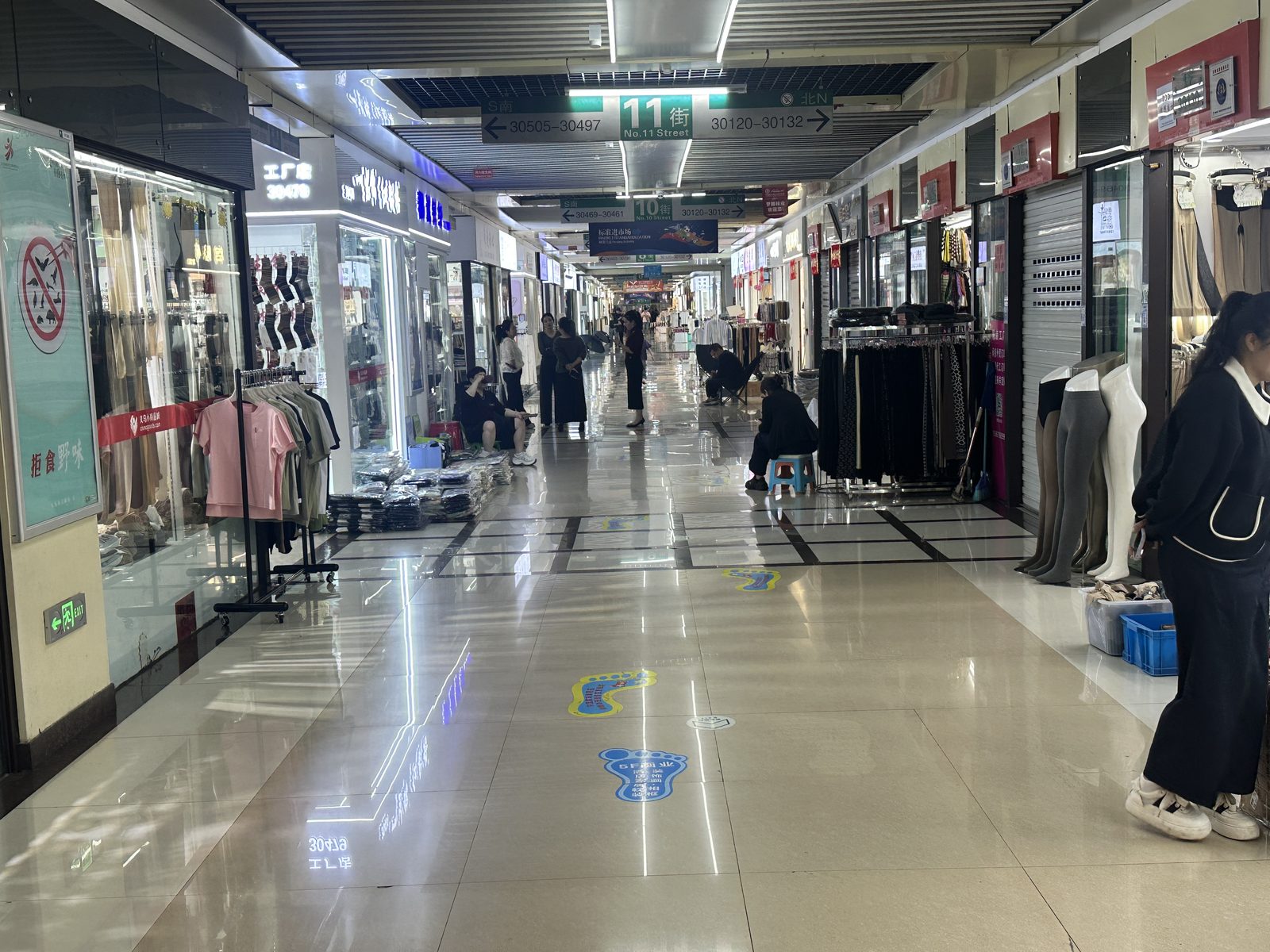
The market is organised by district and product zone, and the industrial belts around it — Jinhua, Yongkang, Pujiang, Dongyang — supply many of the goods sold in it. Remote buying works because someone with local access can move between those zones in a day while you review options from your desk. If your sourcing also touches domestic Chinese wholesale platforms, our 1688 buying agent service follows the same remote logic.
The Remote Workflow, Step by Step
1. Requirement confirmation
You send categories, target quantities, quality expectations and destination market. We confirm specifications and commercial terms in one to three days. Holiday and seasonal ranges should be locked 90–120 days ahead so production and sea freight fit the calendar.
2. Supplier options and comparison
We walk the districts in person and return three to five alternative supplier options, each compared on cost, lead time and quality risk, with booth photos and basic background checks. If you want to understand the market's layout before ordering, the Yiwu Market page gives the district structure, and how to buy from Yiwu Market covers the groundwork for a first order.
3. Samples couriered to you
Samples usually take 7–15 days including customisation — logo printing, colour matching, packaging, multilingual labels in 10+ languages. For colour-critical or hand-feel-critical goods, the sample is what closes the distance between a photo and the real product.
4. Purchasing and production follow-up
Standard production or purchasing runs 15–45 days after order confirmation, depending on category. MOQs are typically 100–1,000 pcs per style: household goods 100–500 pcs, hardware tools 200–500 sets, bags 200–400 pcs, textiles 200–1,000 pcs. Multi-SKU mixed consolidation is supported, which is often what makes a remote first order viable.
5. Inspection before shipment
Quality control runs across the order — IQC, IPQC, PQC, FQC and OQC checks, AQL 2.5/4.0 sampling as standard, 0.65 on request. The inspection report with photos, video, defect lists and re-inspection records reaches you at least three days before dispatch. Quality issues are reported within 24 hours and closed through a 24–48–7 day follow-up loop.
6. Consolidation and dispatch
Goods are packed, labelled and consolidated at a Yiwu warehouse — mixed cartons, gift bundling, seasonal packs, relabelling, export cartons, wooden pallets — then shipped by sea, air, China-Europe rail or express under EXW, FOB Ningbo/Shanghai, CIF or DDP terms. Transit baselines: sea freight to Europe 30–45 days, US West Coast 35–50 days, South America 45–55 days; air door-to-door 7–15 days.
What You Can Verify Without Visiting
- Samples in your hands before bulk purchasing, including customised versions.
- Inspection photos and video tied to the actual order, not library images.
- Batch samples and inspection records kept at least 12 months, so a later dispute has evidence behind it.
- Third-party inspection you appoint yourself — SGS, BV, TUV or Intertek can be coordinated on request, and compliance testing is arranged with ISO 17025 laboratories for EN71, ASTM F963/CPSIA, REACH, RoHS, FDA food-contact or CE requirements as your destination market demands.
What Still Works Better in Person
Hand-feel, surface finish, exact colour under daylight and the general atmosphere of a supplier's operation are judged best on site. For textiles, fashion accessories and anything where shade matching matters, plan on a physical sample rather than screen images — colour management across monitors is unreliable. A couriered sample plus a video call from the booth closes most of that gap at a fraction of a flight's cost.
Who Remote Buying Suits
It fits repeat buyers restocking known items, where specifications are already documented and only price and lead time need rechecking. It also suits first orders in standard categories — household goods, hardware tools, small appliances, toys — where samples and inspection reports carry most of the decision. Highly seasonal or design-led ranges benefit from starting the remote process earlier so samples can travel back and forth before production slots close.
To start, send your category list, quantities and destination port to [email protected]. Certificates and test documentation are available on request.
Related services & guides
Start with a compared quotation
Send us your product list, target prices and quantities — you get compared quotations, not a single take-it-or-leave-it price.
Get a Sourcing Quote