Buying Apparel and Home Textiles in the Yiwu Clothing Market
For overseas importers, wholesalers and chain stores, the yiwu clothing market is best understood as a sourcing layer rather than a single building. Yiwu International Trade City and the surrounding industrial belts bring together finished garments, home textiles and accessories in volumes that suit container programmes and consolidated mixed orders alike. As a purchasing agent working around the market, Mutual Trade helps buyers read this category in commercial terms: what is available on the spot, what has to be produced, and which figures decide whether an order is viable.
What buyers actually find in the yiwu clothing wholesale market
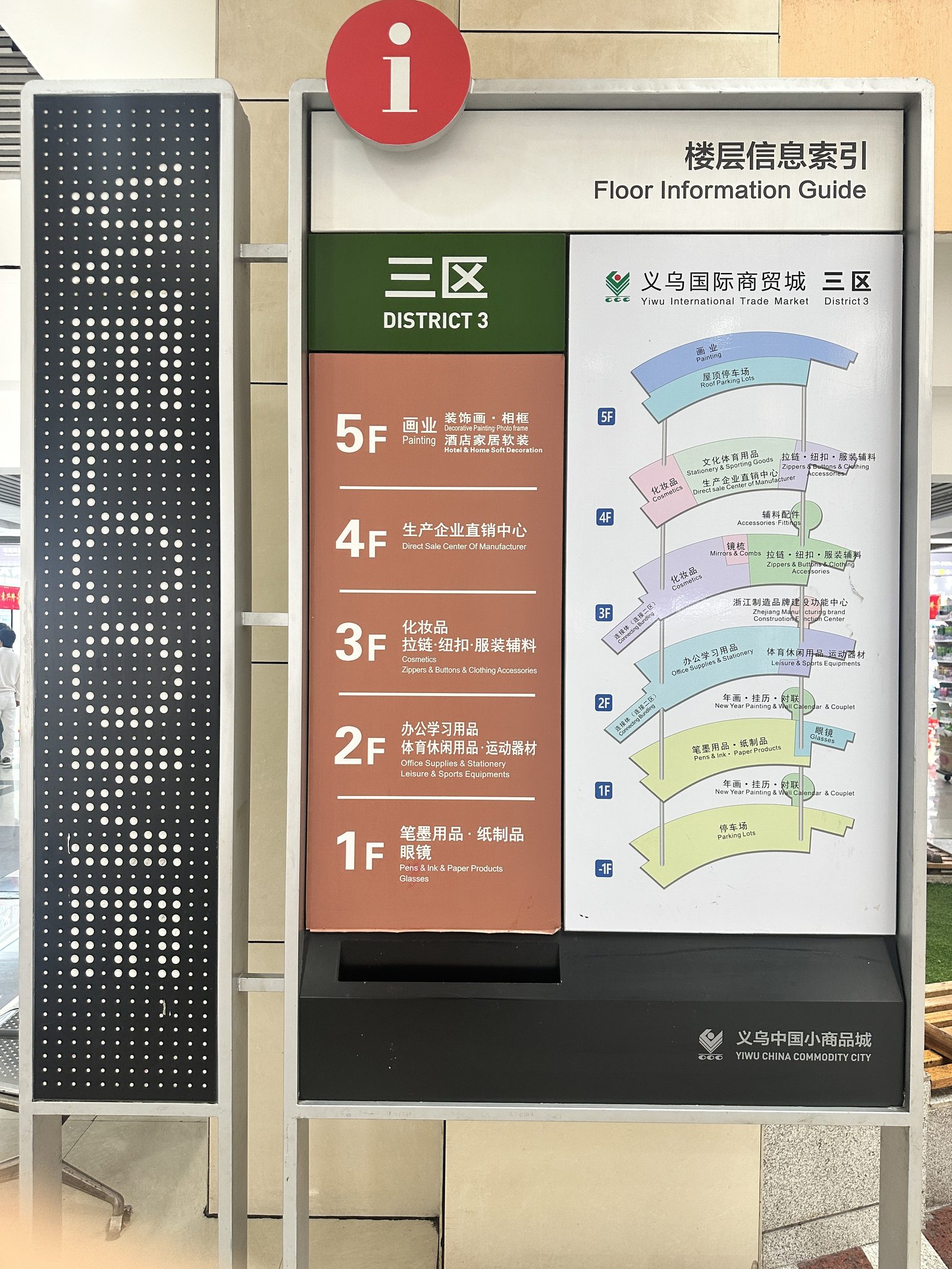
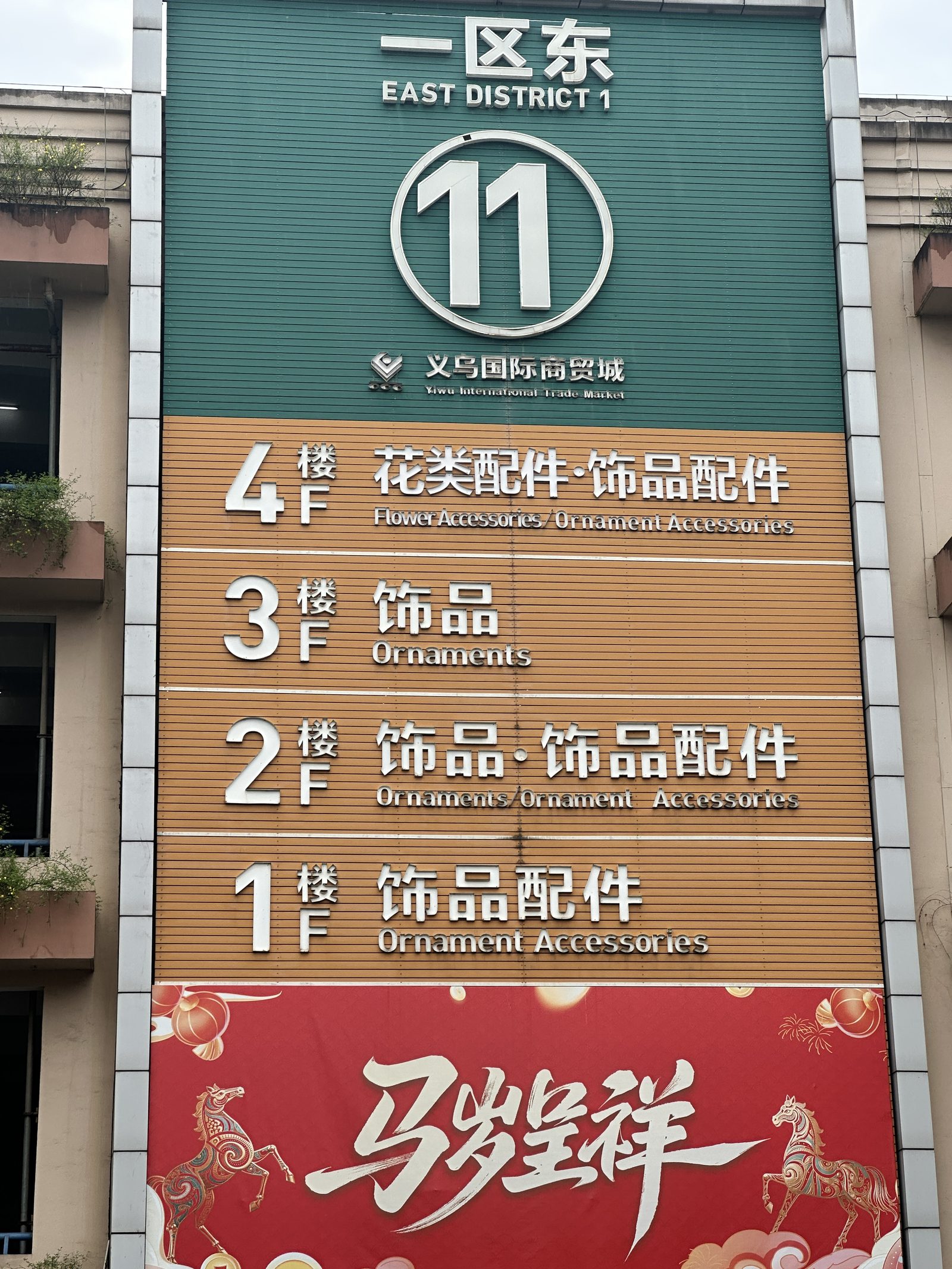
The category splits into three practical groups. Basic apparel covers T-shirts, hoodies, trousers and similar everyday lines, usually offered in size runs and colour ranges. Home textiles include cushion covers, tablecloths, curtains and bedding sets, often bought as coordinated ranges rather than single items. The third group is accessories: scarves, gloves, hats and socks, which work well as add-on lines to an existing apparel or household order. Buyers new to the market should read the Yiwu market district guide first, because booths for these groups are spread across sections rather than concentrated in one place.
Where supply comes from
Market booths serve buyers who need spot ranges, small top-up quantities and fast sight of samples. For larger runs, customised sizing or private-label work, supply is drawn from the textile and garment industrial belts around Yiwu, including Jinhua, Pujiang and Dongyang. In practice the two channels work together: a booth may source from a nearby workshop, and a workshop may hold a booth for sampling. Screening the actual production point still matters, which is why supplier background checks and on-site visits are part of our product sourcing services rather than an optional extra.
The numbers that govern this category
- MOQ: 200–1,000 pieces per style for textiles and apparel. Multi-SKU mixing is supported, so several colours or sizes can be combined within one order.
- Lead time: 20–30 days for stock lines, 30–50 days for customised production.
- Customisation: printed and embroidered logos, size and colour mixing, and multilingual hangtags and labels. First samples are usually ready in 7–15 days.
- Seasonal planning: holiday and seasonal apparel ranges should be confirmed 90–120 days ahead of the selling season, and the overall order cycle typically runs 30–90 days.
Quality points specific to apparel
Clothing and home textiles fail in ways that are invisible on a sample. Colour fastness between dye lots, pH and formaldehyde levels, shrinkage after washing and stitching consistency are the usual problem areas, so they are checked during inspection under AQL 2.5/4.0 sampling, with a stricter 0.65 level available on request. For European destinations, OEKO-TEX and REACH-related testing is coordinated with ISO 17025 third-party laboratories; the company arranges the testing rather than issuing certificates itself. Inspection reports include photos, video, defect lists and re-inspection records, and batch samples are kept for at least 12 months.
Consolidation, freight and payment
Apparel orders rarely ship as a single uniform carton. Mixed SKUs, gift bundling, seasonal packs and relabelling are handled at the Yiwu warehouse, then exported as full or consolidated loads. Sea freight runs 30–45 days to Europe and 35–50 days to the US West Coast; air door-to-door takes 7–15 days. Payment follows T/T 30% deposit plus 70% balance against copy of the bill of lading, with L/C available for larger or first orders. Buyers comparing this category with other product groups can review the wider Yiwu wholesale market before committing to a range.
To discuss a clothing or home textile order, contact [email protected].
Related services & guides
Start with a compared quotation
Send us your product list, target prices and quantities — you get compared quotations, not a single take-it-or-leave-it price.
Get a Sourcing Quote