Sourcing agent vs buying agent: what actually changes
The question of sourcing agent vs buying agent comes up early in most supply conversations, and it is usually asked by a buyer who has already been quoted two very different prices for what sounded like the same service. The confusion is understandable. Agencies, including ours, often do both jobs under one roof, and directories, trade fair listings and even supplier profiles use the two titles interchangeably. They are not the same role, though. They describe different centres of gravity in the same chain of work, and knowing which one you are buying changes how you brief a partner, what you should expect to receive, and how you judge whether the fee was worth it.
Why the two titles get mixed up
Most small and mid-sized importers meet both functions in the same conversation. A provider that starts by finding factories for a new product range will be the same provider that later chases production, books an inspection and arranges the bill of lading. On a website, both fit under one service page, and the labels get swapped without much thought.
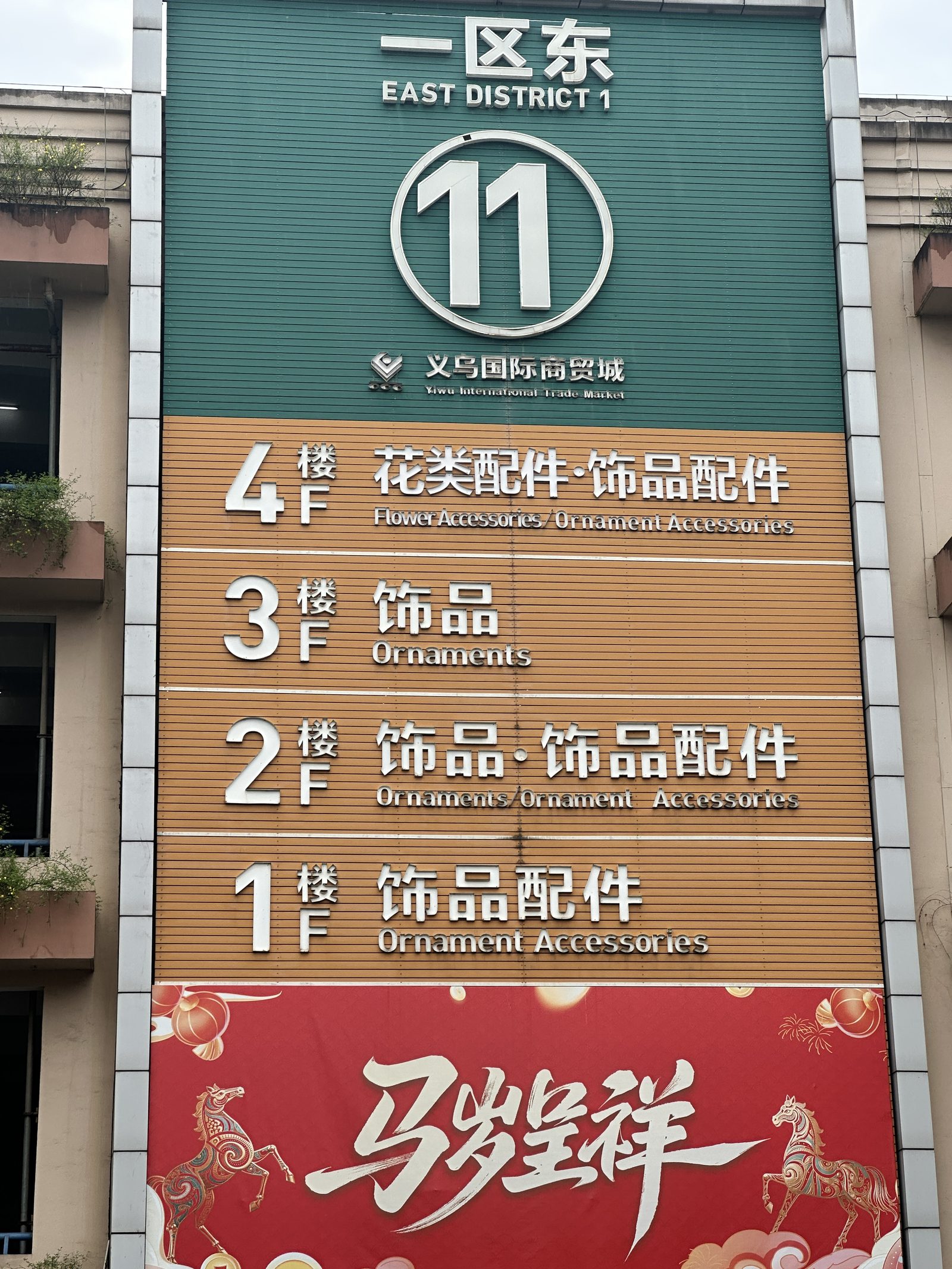
The merger is also structural. A foreign-trade supply-chain company working out of Yiwu sits between a large, fragmented manufacturing base and a buyer who cannot visit it. That position naturally gives it both the discovery side and the execution side. So when you read "sourcing agent" in one listing and "buying agent" in another, the practical difference may be nothing more than which half of the job the provider prefers to emphasise. The words describe emphasis, not a hard boundary.
The sourcing agent's centre of gravity: finding and vetting supply
A sourcing agent's work happens mostly before prices are final. The output is a decision-quality picture of what the market can offer, who can make it well, and what could go wrong.
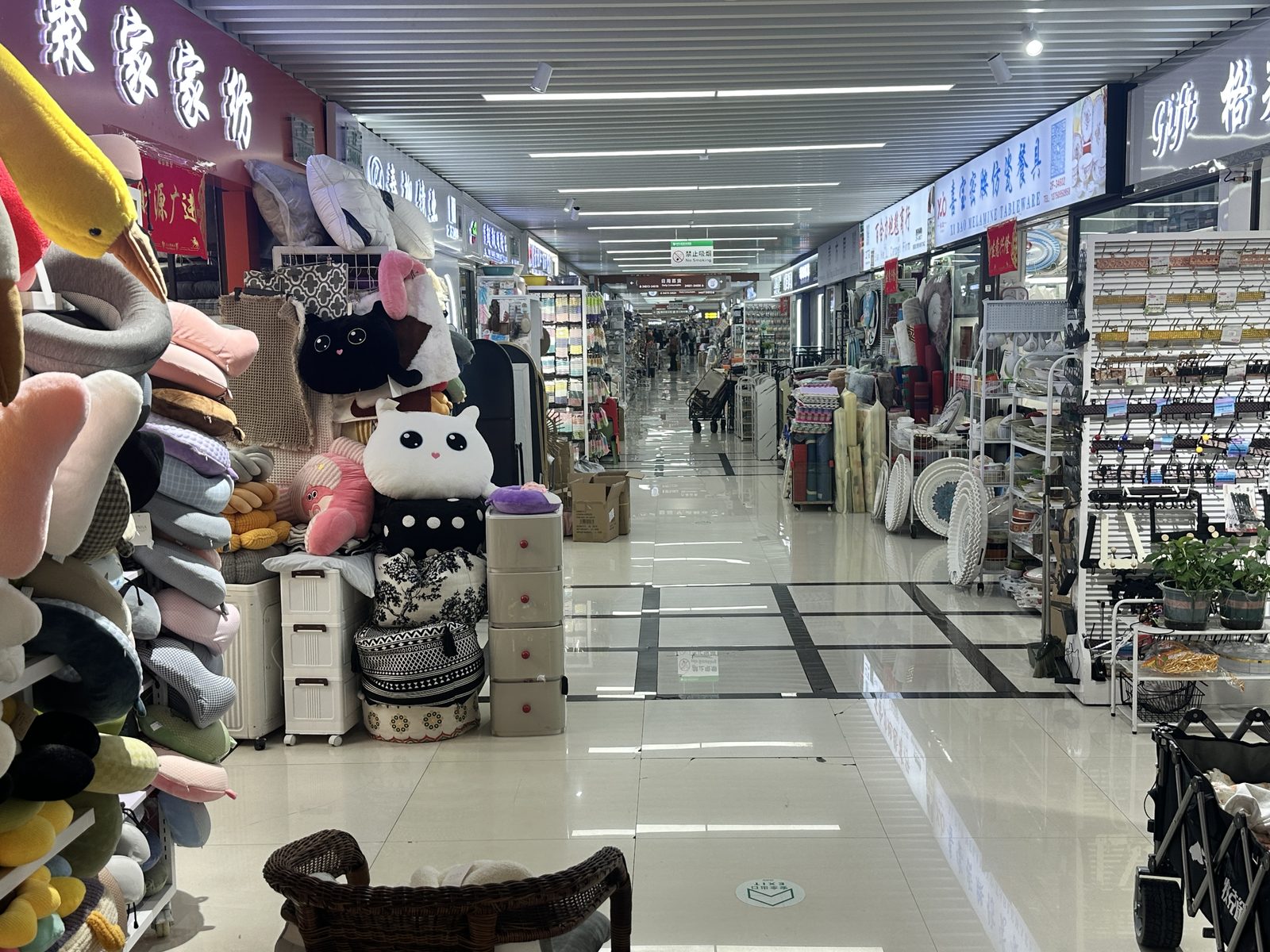
- Market and factory search. Working the wholesale markets around Yiwu International Trade City and the neighbouring industrial belts — Jinhua, Yongkang, Pujiang, Dongyang — to identify where a given product is actually made rather than where it is merely sold.
- Supplier screening and background checks. Confirming that a trading company is not presenting itself as a factory, checking business scope, export records and capacity before a deposit is at risk.
- On-site factory visits and risk assessment. Looking at equipment, lines, staffing and quality systems, and writing down what was seen rather than what was claimed.
- Sampling and specification work. Building a first sample against a written spec, testing alternates, and resolving questions on materials, finish and packaging before they become production disputes. First samples typically take 7–15 days.
- Options, not a single bid. A proper shortlist compares three to five alternative suppliers on cost, lead time and quality risk, so you can see the trade-offs instead of accepting one quote.
This is the half of the job that protects you from the wrong supplier. If you are new to a category or the factories are entirely unknown to you, the sourcing weight matters more, and it is worth reading how a sourcing agent in China structures that discovery work before you commit to a supplier list.
The buying agent's centre of gravity: commercial execution
A buying agent takes over once the question shifts from "who can make this" to "get it made, checked and shipped on the agreed terms." The work is transactional and documentary, and the value shows up in fewer surprises.
- Compared quotations and contract terms. Aligning prices with Incoterms 2020 (EXW, FOB Ningbo/Shanghai, CIF, DDP), agreeing an AQL level — 2.5 or 4.0 as standard, with a stricter 0.65 level on request — and fixing the inspection points in writing.
- Payment milestones. Structuring T/T 30% deposit and 70% balance against copy of bill of lading or before shipment, L/C for larger or first orders, or a staged 30/30/40 split where the order size justifies it.
- Production follow-up. Tracking the purchasing and production window, which for repeat stock items usually runs 15–45 days after order confirmation, and flagging slippage early.
- Inspection and shipment. Coordinating IQC/IPQC/PQC/FQC/OQC checks, collecting reports with photos, video and defect lists, and releasing goods only when the report matches the agreed standard. Reports are sent at least three days before shipment.
- Documents and freight. Commercial invoice, packing list, certificate of origin, bill of lading, insurance and customs declaration, plus consolidation at a Yiwu warehouse and the chosen mode — sea, air, rail or express.
For repeat programmes and established suppliers, this is where most of the risk lives, and a buying agent in China is judged on execution rather than on discovery.
Side by side
| Dimension | Sourcing agent | Buying agent |
|---|---|---|
| Focus | Supply discovery and supplier qualification | Commercial execution and order control |
| Typical tasks | Market and factory search, supplier screening, factory visits, sampling, specification writing, risk assessment | Compared quotes, PI and contract terms, Incoterms and AQL, payment milestones, production follow-up, inspection, shipping documents |
| When you feel the difference | When a new range is quoted far below expectation, or two suppliers describe the same product differently | When a deposit is paid and the question becomes whether the goods will match the approved sample on the agreed date |
| What good output looks like | A shortlist with cost, lead time and quality risk compared, plus sample and spec records | An inspection report with photo and video evidence, clean documents, and a shipment that clears without amendment |
Where the two roles overlap in a Yiwu engagement
In practice, a Yiwu-based engagement runs as one continuous chain rather than two separate contracts. You brief once, and the same team moves from shortlist to sample to order to inspection to consolidation. That gives the buyer one window and one reporting line from first supplier list to final dispatch.
The overlap is not cosmetic. The person who visited the factory knows why a particular line was rejected; the person chasing production knows which defect mattered at sampling. Keeping that knowledge in one chain is the main argument for a combined service, and it is also why mixed multi-SKU consolidation works: household goods, hardware tools, bags and seasonal items can leave from one warehouse on one set of documents, even though they come from unrelated factories with different lead times.
How to decide what you actually need
- New product ranges and unknown suppliers — weight the sourcing side. Ask for alternates, visit records and sample documentation, and expect the quotation stage to take 3–15 days.
- Repeat orders and programme buying — weight the buying side. Ask how inspection points are set, how defects are reported, and what happens in the 24–48–7 day closure loop when something fails.
- Most wholesale importers — need both, in sequence. The sequence matters: fixing commercial terms before the supplier is qualified simply locks in the wrong partner faster.
Cost follows the same logic, and it is worth understanding how providers structure charges before you compare them, as set out in this guide to China sourcing agent fees.
Questions that reveal which role a provider really offers
- "How many alternative suppliers will you compare for this item, and on which criteria?" — a sourcing answer names cost, lead time and quality risk.
- "Will you visit the factory, and will I receive a written record of what you saw?" — a sourcing discipline, not a buying one.
- "Which AQL level will you apply, and can it be tightened?" — a buying answer, and it should be specific.
- "At what points in production do you inspect, and when do I receive the report?" — good answers reference stages and the three-day lead time before shipment.
- "What are the payment milestones, and which Incoterm are we quoting?" — if the reply is vague on either, the execution side is thin.
- "Who handles documents and consolidation, and under which HS code advice?" — the commercial tail end of the job.
One last practical note: a provider that can answer both sets of questions is not avoiding the distinction. It is telling you that the two roles sit in one chain. The useful follow-up is to ask which part of that chain the provider is stronger in, because that is where your risk should sit.
Related services & guides
Start with a compared quotation
Send us your product list, target prices and quantities — you get compared quotations, not a single take-it-or-leave-it price.
Talk to a Yiwu Sourcing Agent